
You deserve to know what's happening in your business before your next close.
Most business owners find out about financial problems at month-end — after the damage is done. FinTel gives your advisory team continuous visibility into what's actually happening, in real time.
The Problem
Month-end reporting is too late to prevent most financial problems.
By the time your CPA delivers a monthly report, the transactions in it are already 30 to 60 days old. Problems that could have been caught in week one have had a full month to compound.
Duplicate charges
The same vendor invoice submitted twice. Found at month-end — after both payments cleared.
Vendor price creep
A supplier quietly raised prices 12% over six months. No one noticed until the annual review.
Unauthorized spend
A card used outside policy for weeks before anyone ran the report that would have flagged it.
Cash timing surprises
A large payment hit earlier than expected. The close showed it. The bank account showed it first.
The Standard Has Changed
This is the next standard after online banking.
"There was a time when checking your balance weekly was considered normal. Then online banking arrived — and real-time visibility became the expectation overnight."
FinTel is the same shift — applied to financial reporting. Continuous, structured, and delivered through the advisor your business already trusts.
Month-end closes will still happen. But the blind spots between them no longer have to.
Month-end hindsight
Reporting arrived after the damage was done. Decisions were made on stale data.
Continuous visibility
FinTel surfaces what's happening now — not what happened 45 days ago.
Faster decisions, fewer leaks
Problems caught early are correctable. Problems caught at month-end are often already compounded.
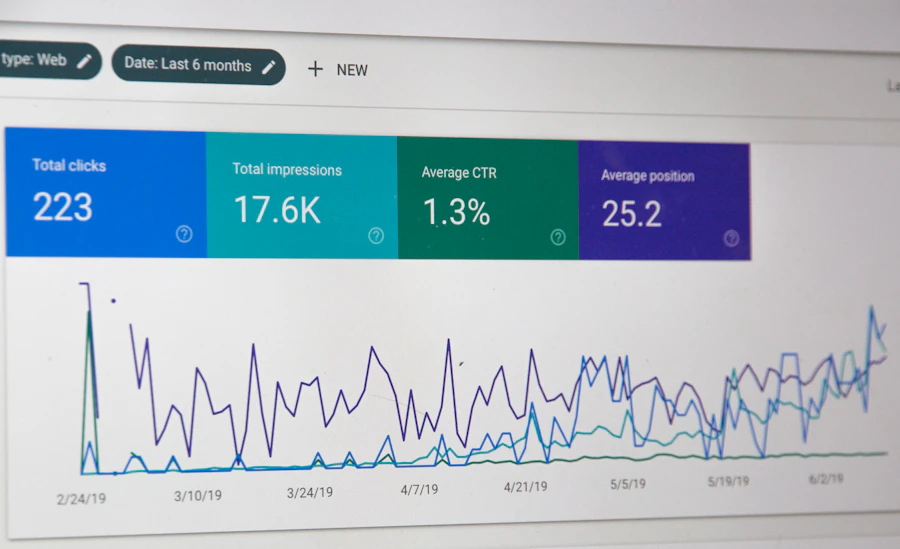
What Changes With FinTel
Your advisor sees what's happening — while it's still happening.
Continuous visibility
Your advisory team monitors bank activity, receipts, and vendor patterns on an ongoing basis — not just at close.
Exceptions surfaced early
Anomalies, policy violations, and suspicious patterns are flagged while they're still correctable.
Cleaner conversations
When you sit down with your advisor, you're reviewing current reality — not reconstructing the past.
Lender-ready reporting
If you ever need to show a lender your financial position, FinTel reports are structured and current.
See exactly what your advisor would see:
SpendGuard: Better Pricing
Your business may be overpaying for the same materials — every single month.
FinTel's SpendGuard compares what your business is actually paying against available pricing at local and national suppliers. When a better price exists for the same item, it surfaces it.
In one case, a contractor was purchasing roofing materials from their usual supplier when SpendGuard identified the same materials were available elsewhere for significantly less.
Illustrative example. Client details are not published.
What We've Found
Retail
Caught Week 1Cash runway dropped from 2.8 to 1.9 months
An inventory double-order went undetected — until FinTel flagged it in Week 1. Caught in time to prevent a cash shortage.
Construction
Pattern identifiedEmbezzlement spanning multiple years
Project payments split into two checks — one deposited, one cashed. The timing pattern was invisible to standard reconciliation.
Kitchen Renovation
Receipt-level analysis$450 flagged in Month 2 — years of history found
Personal items mixed into supply runs on the company card. Too small to trigger any threshold alert. Only receipt-level parsing caught it.
How to Get FinTel
You don't buy FinTel from us. Your advisor does.
FinTel is available exclusively through CPA and fractional CFO advisory partners. This keeps the reporting in the hands of the professionals who can act on it — not just deliver it.
Call your CPA or fractional CFO firm
Ask them: "Do you offer FinTel continuous reporting for your clients?"
If they don't offer it yet
Invite them to inquire about becoming a FinTel advisory partner. It takes one conversation.
Or contact us directly
If you don't have an advisor, we'll connect you with a partner firm that fits your situation.

What We've Found
Real cases. Real outcomes.
The following cases are anonymized. Client details are not published.
Retail
Cash runway: 2.8 → 1.9 months
Caught in Week 1
Inventory double-order went undetected — until it nearly collapsed the cash runway
An inventory control employee ordered double the normal inventory amounts. The CEO had no visibility because the transaction hadn’t appeared in the monthly report yet. By the time it would have surfaced through normal reporting, the company’s cash runway had already dropped from 2.8 months to 1.9 months — a level that would have created a serious cash shortage by the time the quarterly report arrived.
FinTel flagged the anomaly in Week 1 of service. The order was caught in time to correct the position before the cash shortage became a crisis.
Why it mattered
Monthly reporting would have surfaced this 3–4 weeks too late to prevent the cash shortage.
Construction
Embezzlement spanning multiple years
Pattern identified
Project payment split into two checks — one deposited, one cashed, proceeds returned 10 days later
A construction company employee was receiving project payments as two checks instead of one. The first check was deposited normally. The second was cashed — and the cash was deposited 10 days later, obscuring the transaction pattern from routine review.
FinTel identified the double-check pattern and the delayed deposit of the second half, and recommended investigation. The employee confessed to having used the same method a significant number of times over multiple years. The funds had been “borrowed” and returned — a pattern that had never triggered a flag in traditional reporting.
Why it mattered
The short-term return of funds made this invisible to standard reconciliation. Only continuous transaction-level monitoring could detect the timing pattern.
Kitchen Renovation
$450 flagged in Month 2 — years of history found
Receipt-level analysis
Personal items mixed into supply runs — undetected for years
In Month 2 of service, SpendGuard flagged a receipt where an employee had included personal items in a company card purchase during a supply run. The unauthorized amount was $450 — small enough to pass unnoticed in any aggregate review.
FinTel advisors recommended investigation. The review revealed the same employee had been mixing personal purchases into company supply trips for years — a pattern that had never been caught because no one was reviewing receipts at the line-item level.
Why it mattered
Individual transactions were too small to trigger any threshold-based alert. Only receipt-level parsing could surface the pattern.
Also on this site
Are you an advisor or lender?
CPA & CFO Firms
"Offer your clients continuous reporting without adding headcount to your firm."
Lenders
"Stop making credit decisions on 60-day-old statements. Request continuous reports."